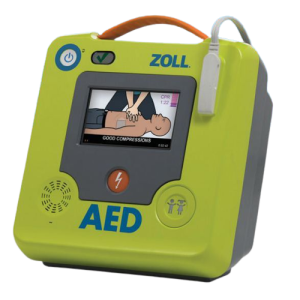
An automated external defibrillator (AED) is a portable electronic device that automatically diagnoses the lifethreatening cardiac arrhythmias of ventricular fibrillation (VF) and pulseless venricular tachycardia, and is able to treat them through defibrillation, the application of electricity which stops the arrhythmia, allowing the heart to re-establish an effective rhythm.
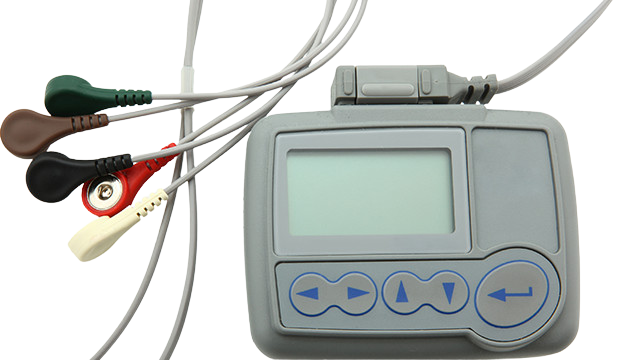
ECG Holter System
The Holter monitor is a type of portable electrocardiogram (ECG). It records the electrical activity of the heart continuously over 24 hours or longer while you are away from the doctor’s office. A standard or “resting” ECG is one of the simplest and fastest tests used to evaluate the heart
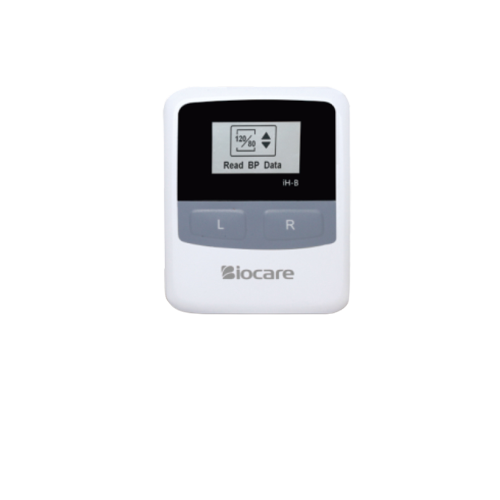
Ambulatory BP System
Ambulatory blood pressure monitoring allows your blood pressure (BP) readings to be recorded over a 24-hour period, whether you’re awake or asleep. When you’re at your doctor’s office or clinic, an instrument called a sphygmomanometer is used to take your BP readings.
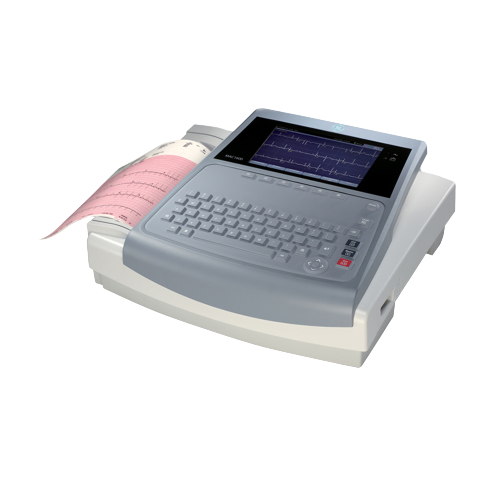
Resting ECG System
This type of electrocardiogram is the standard test for measuring your heart’s electrical function. Performed while you are lying still, this EKG records your heart’s electrical activity from 12 electrodes (sticky patches) on your chest, arms, and legs at the same time.
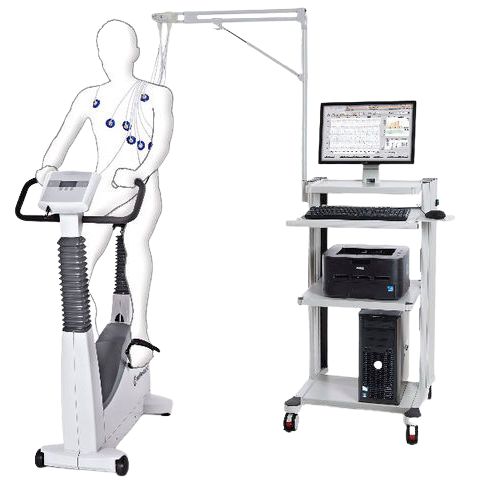
Excersice Stress Test System
A stress test shows how the heart works during physical activity. It also may be called a stress exercise test. Exercise makes the heart pump harder and faster. A stress test can show problems with blood flow within the heart. A stress test usually involves walking on a treadmill or riding a stationary bike
Hemodynamic Monitoring System
Hemodynamic monitoring is a procedure that checks your blood circulation and evaluates how well your heart is working. It’s also known as a hemodynamic tilt test or a technetium (pronounced tek-nee-see-um) hemodynamic test. It uses nuclear imaging.
Range Of Critical Care
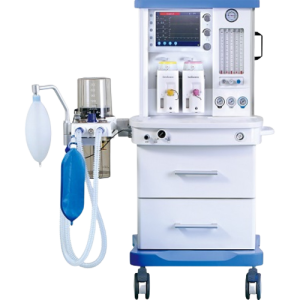
Anesthesia Machine
An anesthesia machine is a medical device typically used to administer inhalation anesthesia. It delivers a mix of anesthesia gases and oxygen to patients while also monitoring blood pressure, pulse rate and temperature.
NIBP Monitors
Non-invasive Blood Pressure (NIBP) recording for cardiovascular research gives you the ability to capture continuous blood pressure data over long sampling periods easily, and with increased comfort for your subject.
Incubator
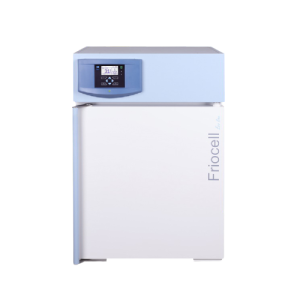
An incubator is designed to provide a safe, controlled space for infants to live while their vital organs develop. Unlike a simple bassinet, an incubator provides an environment that can be adjusted to provide the ideal temperature as well as the perfect amount of oxygen, humidity, and light
Infant Warmer
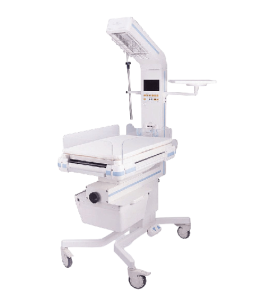
The Infant Warmer is a sleeping bag-like device that uses a phase-change material to keep premature infants at a proper body temperature for up to four hours, without electricity.
Ventilator
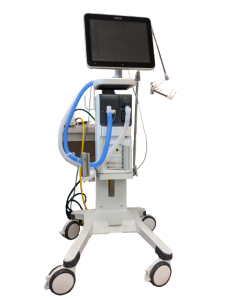
Mechanical ventilators are machines that act as bellows to move air in and out of your lungs. Your respiratory therapist and doctor set the ventilator to control how often it pushes air into your lungs and how much air you get. You may be fitted with a mask to get air from the ventilator into your lungs.
Patient Monitors
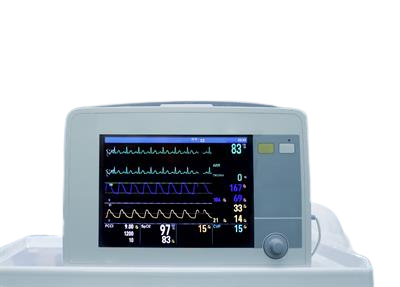
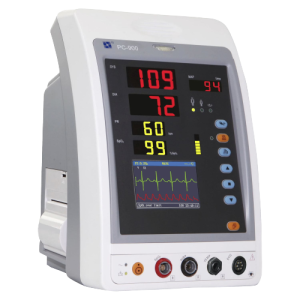
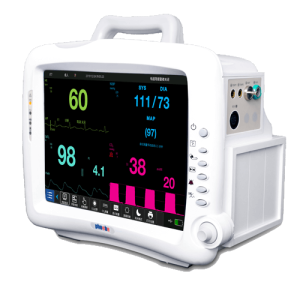
A patient monitor is also called a medical monitor, a physiological monitor or a display, which is an electronic medical device. This instrument can measure the patient’s vital signs, display the data obtained therefrom, and transmit it on the monitoring network.
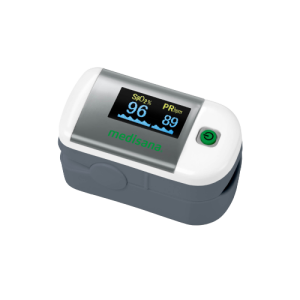
Pulse Oximeters
The pulse oximeter, or Pulse Ox, is an electronic device that measures the saturation of oxygen carried in your red blood cells
Range Of Imaging
Echo
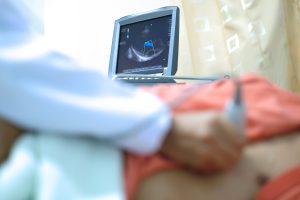
An echocardiogram, or “echo”, is a scan used to look at the heart and nearby blood vessels. It’s a type of ultrasound scan, which means a small probe is used to send out high-frequency sound waves that create echoes when they bounce off different parts of the body.
Ultrasound
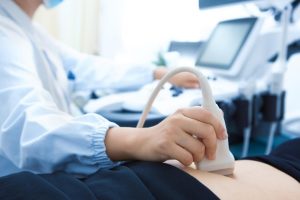
An ultrasound scan, sometimes called a sonogram, is a procedure that uses high-frequency sound waves to create an image of part of the inside of the body. An ultrasound scan can be used to monitor an unborn baby, diagnose a condition, or guide a surgeon during certain procedures.
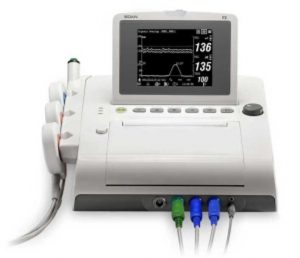
Fetal Monitors
Fetal heart rate monitoring measures the heart rate and rhythm of your baby (fetus). This lets your healthcare provider see how your baby is doing. Your healthcare provider may do fetal heart monitoring during late pregnancy and labor.